
What Facility Managers Should Know Before Specifying a Pump Replacement
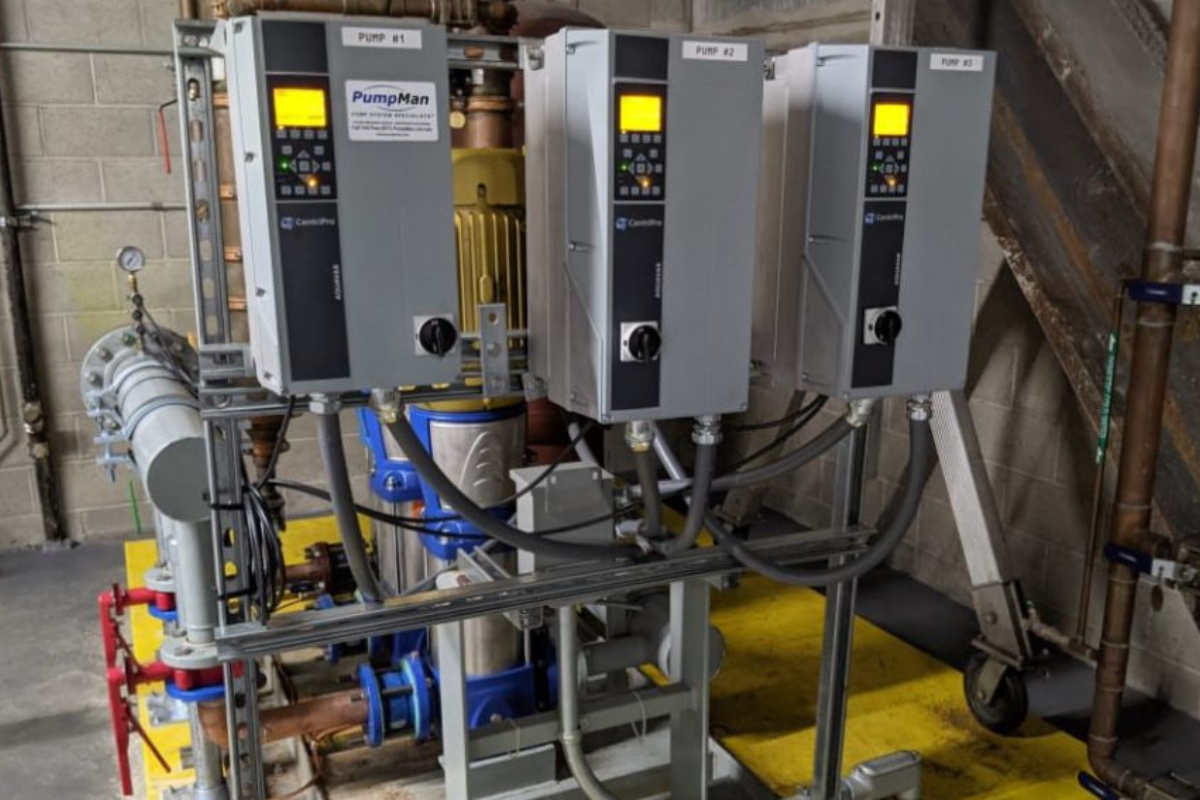
Replacing a commercial pump is not the same as replacing a piece of office equipment. It is a technical decision with long-term implications for system performance, energy consumption, maintenance costs, and operational reliability. Yet in many facilities, pump replacements are handled reactively, with the failed unit swapped for whatever is available fastest or whatever matches the nameplate of the original.
That approach can work in an emergency. As a long-term strategy, it often leads to oversized or undersized equipment, poor efficiency, compatibility issues, and higher lifecycle costs. Whether you are planning ahead for aging equipment or responding to a recent failure, understanding what goes into a proper pump specification will help you make a more informed decision and get better results from your investment.
Start with the System, Not the Pump
One of the most common mistakes in pump replacement is specifying the new unit based solely on the nameplate data of the old one. The assumption is that the original pump was correctly sized and that system conditions have not changed. Neither assumption is reliable.
Buildings change over time. Occupancy increases, piping is modified, fixtures are added, and demand patterns shift. A pump that was properly sized for the original system may no longer match current conditions. Installing an identical replacement into a system that has changed means inheriting whatever mismatch already existed, or introducing a new one.
Before specifying a replacement, the system itself should be evaluated. What are the current flow and pressure requirements? What does the piping layout look like today versus when the original pump was installed? Are there restrictions, buildups, or modifications that have altered system resistance? A system assessment conducted by a qualified service provider can answer these questions and provide the data needed to size the replacement correctly.
Understand the Difference Between Sizing and Selection
Sizing refers to determining the flow rate and head (pressure) the pump needs to deliver to meet system demand. Selection refers to choosing a specific pump model, configuration, and materials that will deliver those requirements efficiently and reliably within the constraints of the installation.
Both steps matter. A pump can be correctly sized in terms of flow and head but poorly selected in terms of efficiency, material compatibility, seal type, or motor configuration. For example, a pump handling water with elevated chloride levels requires different materials than one handling clean domestic water. A pump installed in a space with limited clearance may need a specific orientation or footprint. These details do not appear on a nameplate, and they are easy to overlook when the focus is on getting a replacement installed quickly.
PumpMan’s installation and sales team works with facility managers to evaluate both the hydraulic requirements and the site-specific conditions that influence pump selection, ensuring the replacement is matched to the actual operating environment.
Evaluate Energy Efficiency as a Cost Factor
Energy is the largest expense in the lifecycle of a commercial pumping system, typically accounting for more than the initial purchase price and all maintenance costs combined. A pump that costs less upfront but operates at a lower efficiency point will cost significantly more over its service life.
When specifying a replacement, request performance curve data from the manufacturer and compare operating efficiency at your expected flow conditions, not just at the best efficiency point listed on the spec sheet. Pumps rarely operate at their best efficiency point full time. Understanding where on the curve your system will actually run is critical to projecting real-world energy costs.
Variable frequency drives (VFDs) are another consideration. If the existing system runs at constant speed but demand varies throughout the day, adding a VFD to the replacement pump can reduce energy consumption substantially by matching motor speed to actual demand. PumpMan’s industrial controls team can evaluate whether a VFD or updated control strategy would benefit the application.
Consider Total Cost of Ownership
The purchase price of a pump is a small portion of what it will cost over its lifetime. Total cost of ownership includes energy consumption over the expected service life, installation and commissioning costs, ongoing maintenance requirements, expected repair frequency and parts availability, and the projected useful life of the equipment.
A less expensive pump that requires more frequent repairs, consumes more energy, or has a shorter service life is not actually less expensive. Facility managers who evaluate pump replacements on total cost of ownership rather than purchase price alone consistently make better long-term investments.
Account for Controls and Integration
A new pump does not operate in isolation. It connects to a control system, interacts with other equipment in the system, and may need to communicate with building automation or remote monitoring platforms. Before finalizing a specification, confirm that the replacement is compatible with your existing control infrastructure or identify what upgrades may be needed to integrate it properly.
This is particularly important when replacing one pump in a multi-pump system. The new unit needs to operate in coordination with the existing pumps, matching lead/lag sequences, alarm setpoints, and alternation logic. A mismatch in performance characteristics between the new and existing units can cause operational issues even if each pump is functioning correctly on its own.
Plan the Replacement Before You Need It
The best time to specify a pump replacement is before the existing pump fails. Equipment that is showing signs of declining performance, increasing maintenance frequency, or approaching the end of its expected service life should be evaluated for replacement on a planned timeline.
A planned maintenance program provides the performance data and condition history needed to anticipate replacements and budget for them accordingly. When the time comes, the specification process is informed by real operating data rather than rushed by an emergency.
Facilities that wait until failure occurs are forced to make decisions under pressure, often with limited options and premium costs. Planning ahead allows time to evaluate alternatives, solicit competitive pricing, and schedule installation during a period that minimizes disruption to operations.
Engage a Qualified Service Partner Early
Pump replacement involves hydraulic engineering, mechanical installation, electrical integration, and system commissioning. Engaging a qualified service partner at the specification stage rather than after the purchase ensures that all of these factors are considered before a commitment is made.
PumpMan provides pump system design, installation, and inspection services for commercial, industrial, and municipal applications. Our team works with facility managers from initial evaluation through commissioning to ensure the replacement meets both current requirements and long-term performance goals.
To discuss an upcoming pump replacement or to schedule a system assessment, contact your nearest PumpMan location.