
The Cost of Waiting: America’s Infrastructure Challenge
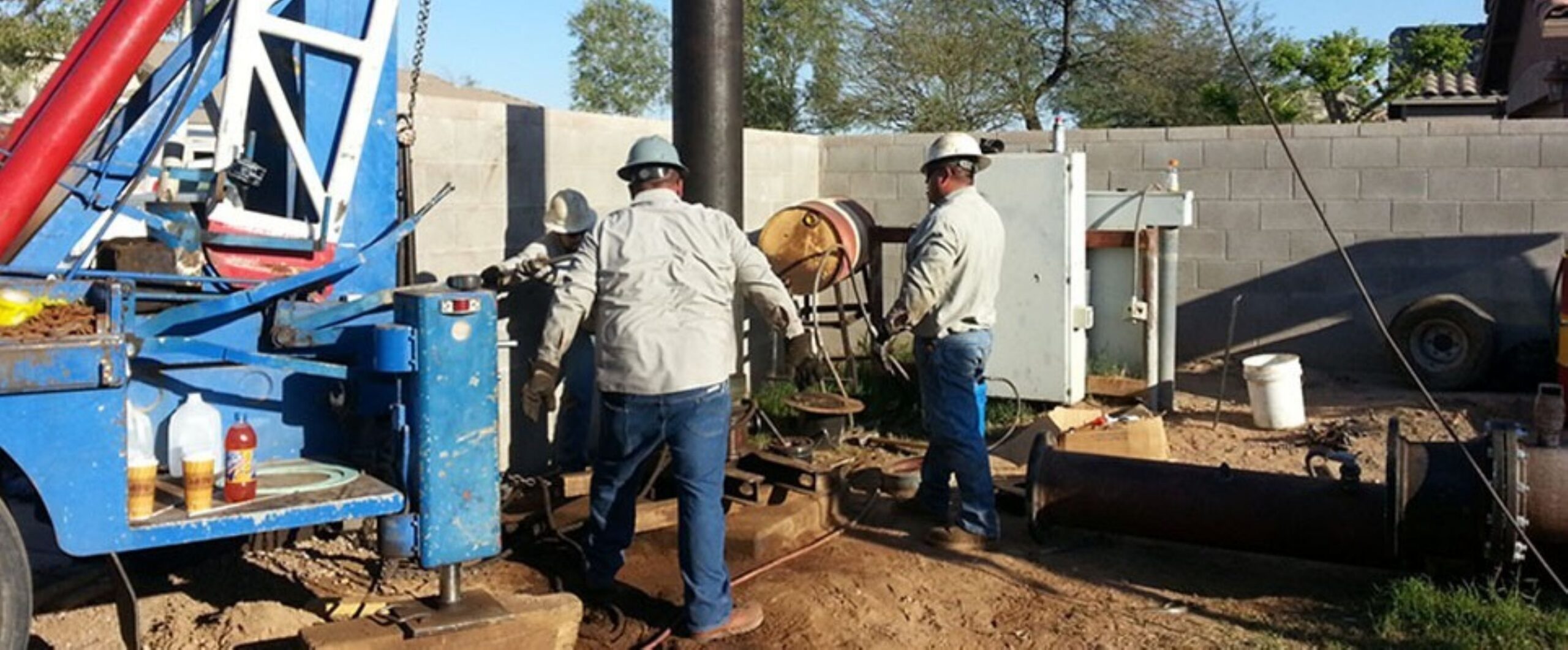
Much of America’s important infrastructure is also the infrastructure we rarely see.
Below streets, buildings and communities, networks of pipes, pumps, lift stations and treatment systems work every day to move drinking water, wastewater and stormwater. When those systems are operating properly, they are easy to overlook. When something fails, the impact can be immediate and far reaching.
Aging equipment, deferred maintenance and years of increasing demand are creating a growing challenge for the organizations responsible for keeping these systems operating.
The question is no longer simply what infrastructure investment costs. It is what waiting could cost.
A Challenge Down Below
Extending across water and wastewater systems nationwide, pipes, pumps, lift stations and treatment systems that have operated reliably for years may now require increased attention, maintenance or modernization to continue performing as expected.
For municipalities, communities and facilities, one of the biggest challenges is knowing where to begin. Aging infrastructure does not always mean replacing entire systems. Understanding what equipment is in place, assessing its current condition and identifying where maintenance, repair or upgrades may be needed will help in understanding where to start.
That visibility becomes increasingly important as equipment ages. Regular inspections and maintenance can help uncover developing issues, establish a clearer picture of system conditions and give organizations an opportunity to plan rather than react.
When “Run to Fail” Becomes Expensive
Water infrastructure is often out of sight and out of mind. The age, condition and even location of some equipment may not become fully apparent until a service crew is responding to a problem making a reactive “run to fail” approach particularly risky.
Waiting until equipment fails can turn manageable maintenance issues into emergency repairs. Depending on the system, failure can also mean interrupted water service, wastewater problems, flooding, operational disruption or damage to surrounding equipment and property.
Further, without regular inspections and maintenance, organizations have less information about how their systems are performing and which equipment may need repairs, rehabilitation or eventual replacement.
Maintenance In Infrastructure Planning
A comprehensive Planned Maintenance Program can help organizations establish a clearer picture of equipment condition, identify changes in performance and address developing problems before they result in unexpected failure. Regular inspections provide information that is increasingly valuable as infrastructure ages.
Understanding maintenance history, operating conditions and performance trends can help facility managers, property managers and operations teams make more informed decisions about when to maintain, repair, rebuild or upgrade systems.
The Cost of Waiting
There is no single solution to America’s aging water infrastructure. Many things matter such as investment in planning and maintenance for the systems that communities and facilities rely on today in addition to modernization and innovation.
The systems beneath our buildings and communities may remain largely invisible, but the consequences of neglecting them do not. Knowing what you have, understanding its condition and planning for what comes next is.
PumpMan provides customized Planned Maintenance Programs along with pump repair, rebuild, upgrade and 24/7 emergency services to help organizations protect critical equipment and plan for long-term system reliability.
Stay Connected & Get Support When You Need It
Preparing your systems now helps ensure reliable performance all season long, but having the right partner in place makes all the difference.
Need support or want to schedule service? Find your nearest PumpMan location and request a quote:
https://pumpman.com/locations/
Follow PumpMan on LinkedIn for maintenance tips, industry insights, and service updates.
@pumpman-pumpsource-usa