
Staying Ahead of EPA Compliance Requirements for Wastewater Pump Systems
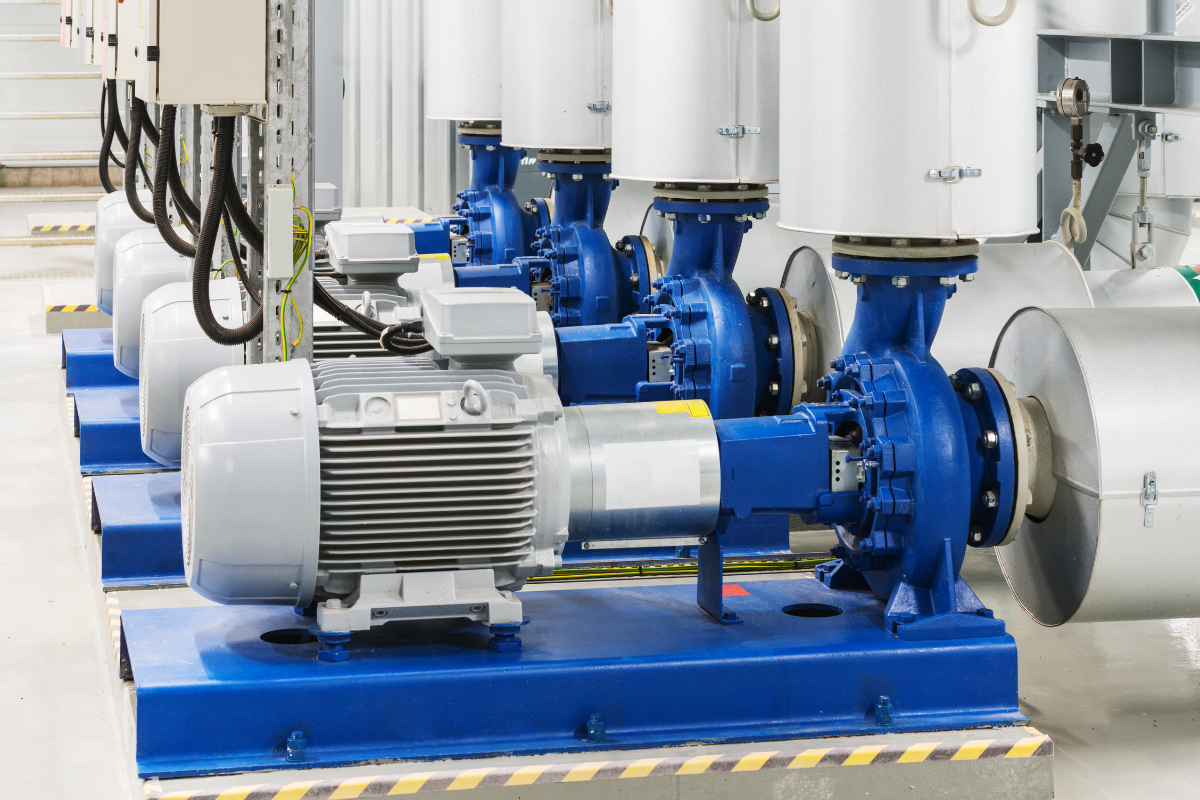
Wastewater pump systems operate under a regulatory framework that carries real financial and legal consequences when something goes wrong. For facility managers, municipal operators, and property owners responsible for wastewater infrastructure, understanding where pump system performance intersects with EPA compliance is not optional. It is a core part of responsible system management.
The regulatory landscape continues to evolve, and enforcement remains active. Staying ahead of compliance requirements means understanding the rules that apply to your systems, recognizing where pump failures create regulatory exposure, and putting the operational practices in place to prevent violations before they occur.
The Regulatory Framework: NPDES Permits and the Clean Water Act
The foundation of wastewater discharge regulation in the United States is the Clean Water Act (CWA), administered by the EPA through the National Pollutant Discharge Elimination System (NPDES) permit program. Any facility that discharges treated wastewater into waters of the United States is required to hold an NPDES permit, which establishes specific limits on pollutant levels, monitoring requirements, and reporting obligations.
NPDES permits are limited to five years under the Clean Water Act and must be renewed through a reapplication process. Permit conditions are not static. They may tighten upon renewal based on updated water quality standards, new effluent limitation guidelines, or changes in the receiving water body. Facility operators should review their permit terms well in advance of expiration and evaluate whether their current pump and treatment systems can meet any updated requirements.
For a detailed overview of how the NPDES program works, the EPA maintains a helpful primer at epa.gov/npdes/npdes-permit-basics.
Sanitary Sewer Overflows: Where Pump Failures Become Violations
One of the most direct ways a pump system failure creates regulatory liability is through a sanitary sewer overflow (SSO). The EPA estimates that there are at least 23,000 to 75,000 SSOs per year in the United States, not including sewage backups into buildings. SSOs that reach waters of the United States are classified as point source discharges and are prohibited unless authorized by an NPDES permit.
Common causes of SSOs include blockages in sewer lines, infiltration of excessive stormwater, and malfunction of pumping station equipment, including inadequate pump maintenance and lack of backup power. In other words, a failed lift station pump or an unmaintained pump system is not just a maintenance problem. It is a potential Clean Water Act violation.
The consequences are significant. Civil penalties under the Clean Water Act can reach tens of thousands of dollars per day, per violation, and those penalties are adjusted upward annually for inflation. In determining penalty amounts, courts consider the seriousness of the violation, any economic benefit resulting from the violation, the violator’s history of prior violations, and any good-faith efforts to comply. A documented maintenance program and rapid response to equipment issues can factor meaningfully into how enforcement is handled.
The EPA provides additional guidance on SSO prevention and regulatory expectations at epa.gov/npdes/sanitary-sewer-overflows-ssos.
CMOM Programs: The Operational Standard
The EPA’s Capacity, Management, Operation, and Maintenance (CMOM) framework is the benchmark for evaluating how well a wastewater collection system is managed. The EPA has published a guide for evaluating CMOM programs at sanitary sewer collection systems, intended for use by EPA staff, state inspectors, and the regulated community. US EPA
While CMOM is not a separate permit requirement in all jurisdictions, it is the standard against which enforcement actions are often measured. A CMOM program demonstrates that an operator has the capacity to handle current and projected flows, the management systems to plan and fund infrastructure needs, the operational practices to run systems effectively, and the maintenance programs to keep equipment in reliable working condition.
For pump systems specifically, a strong CMOM posture includes documented maintenance schedules and inspection records, performance monitoring with established baselines, backup power provisions for critical pump stations, alarm and notification systems for equipment failure, and a response protocol for overflow events. PumpMan’s planned maintenance programs are designed to address these requirements directly, providing the structured inspection, documentation, and performance tracking that regulators expect to see.
Evolving Requirements: PFAS and Effluent Limitation Updates
The regulatory environment is not standing still. One of the most significant areas of change involves per- and polyfluoroalkyl substances (PFAS), commonly referred to as “forever chemicals.” In May 2026, the EPA proposed two rules related to PFAS in drinking water, one to rescind certain Biden-era standards and another to extend compliance deadlines for PFOA and PFOS limits by two additional years, until 2031.
On the wastewater side, the EPA has been moving toward updated effluent limitation guidelines that address PFAS discharges from industrial sources. The EPA published a draft multi-sector general permit in 2025 that would require operators in 23 industrial sectors to monitor for 40 PFAS compounds quarterly, though that permit has not yet been finalized. Revisions to effluent limitation guidelines for organic chemicals and metal finishing sectors to address PFAS are also in progress.
While the specifics of these rules continue to develop, the direction is clear: monitoring and reporting obligations related to emerging contaminants are expanding, and the equipment that collects, moves, and processes wastewater needs to be maintained to a standard that supports compliance with whatever requirements are ultimately adopted.
How Pump System Maintenance Supports Compliance
Regulatory compliance and operational reliability are not separate objectives. They are the same objective viewed from different angles. A pump system that is properly maintained, monitored, and documented is both less likely to fail and better positioned to demonstrate compliance if an incident does occur.
Specific maintenance practices that support compliance readiness include regular inspection and testing of pumps, motors, valves, and controls at lift stations and other critical points in the collection system. Performance monitoring that tracks flow, pressure, and energy consumption against established baselines to detect degradation before it causes a failure. PumpMan’s system assessments provide this type of evaluation. Maintaining control systems with alarm capabilities and, where applicable, remote monitoring to provide early warning of equipment issues. Documentation of all maintenance activities, inspections, and repairs in a format that can be produced during a regulatory review or audit.
For operators managing municipal pump systems, these practices are particularly important. Municipalities face heightened scrutiny from both the EPA and state agencies, and the cost of an enforcement action, both financially and in public trust, far exceeds the cost of a maintenance program.
Taking a Proactive Approach
Compliance is not something that can be addressed after a problem occurs. It is built into the way systems are operated and maintained every day. Facility operators who invest in structured maintenance programs, keep thorough documentation, and stay informed about regulatory developments are the ones best positioned to avoid violations and manage risk effectively.
PumpMan works with commercial, industrial, and municipal operators across the country to maintain wastewater pump systems to the standard that both operational reliability and regulatory compliance demand. To discuss your facility’s maintenance needs or to schedule a system assessment, contact your nearest PumpMan location. For urgent pump issues, PumpMan offers 24/7 emergency service.