
Emergency Pump Service: What to Do in the First 30 Minutes
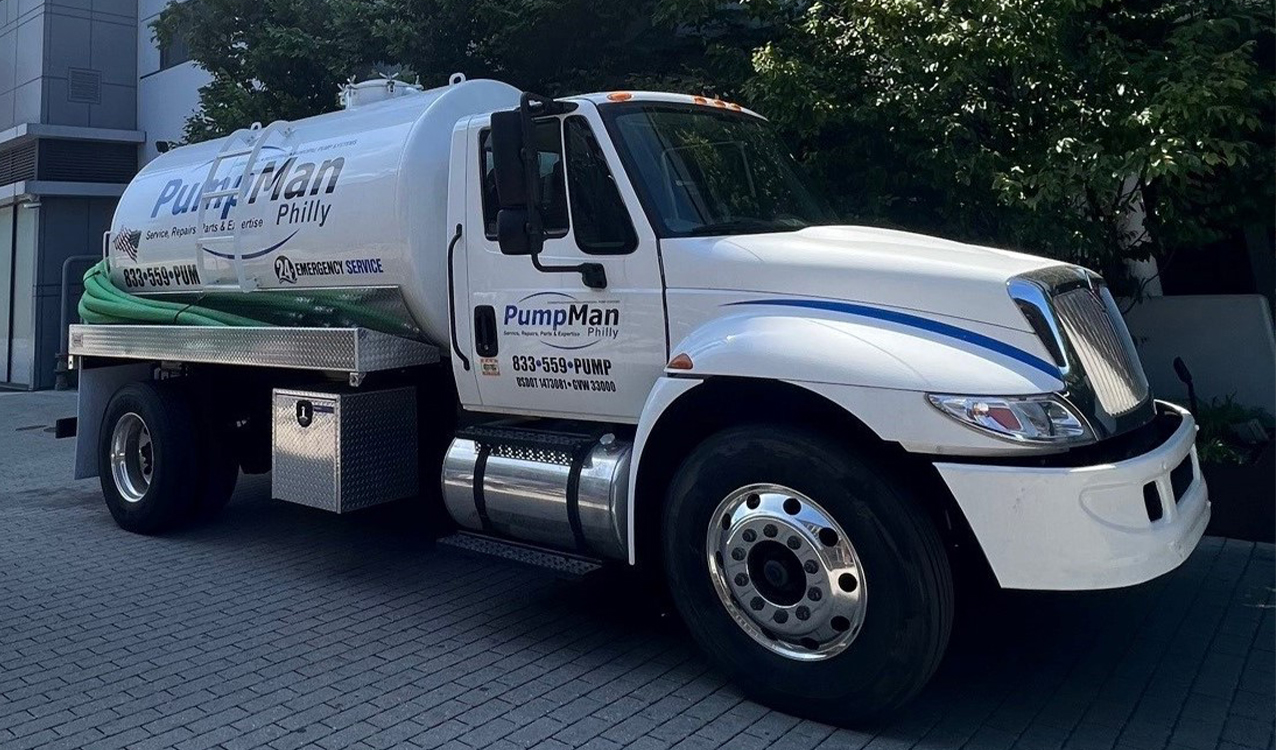
When a pump goes down, the clock starts fast. Flooding can spread, critical processes can stall, and small issues can turn into major damage if the system keeps running in distress. That’s why the best pump failure response is calm, immediate, and step-by-step: secure the area, limit damage, and get an emergency pump service crew dispatched as quickly as possible. PumpMan’s teams are built around rapid response, fast diagnostics, and efficient repairs to help minimize downtime.
The First 30 Minutes Checklist
1) Stop and secure equipment (only if it’s safe)
Your first goal is to prevent the problem from getting worse.
- Shut down the pump/system if it’s showing signs of failure (overheating, unusual vibration/noise, loss of prime, breaker trips, alarms).
- Follow your facility’s lockout/tagout procedures and keep unauthorized staff clear of the equipment.
- If the pump is part of a larger station or building system, secure the area and restrict access until the hazard is controlled.
PumpMan supports both on-site and local repair facility options depending on what the situation requires,so stabilizing the scene helps the crew triage faster.
2) Assess safety hazards first (flooding, electrical, and more)
Before anyone touches equipment, check for conditions that can escalate risk:
- Flooding near electrical equipment: Treat standing water as hazardous around panels, drives, or wiring.
- Electrical smell/smoke or repeated trips: Don’t reset breakers repeatedly—document what you’re seeing and wait for qualified help.
- Slip/fall and contamination risks: Wastewater or stormwater backups can create immediate exposure and cleanup needs.
If the incident involves stormwater/sewage backup or major dewatering needs, PumpMan also offers vacuum truck and emergency pumping services in select locations.
3) Call for emergency pump repair (don’t wait for “business hours”)
When pumps fail, time is critical. PumpMan’s services emphasize 24/7 emergency repair, immediate response, fast diagnostics, and efficient repairs to restore operations.
4) Capture quick details while you wait (it speeds up diagnosis)
A few photos and notes can save time once the crew arrives:
- Alarm codes/screenshots (VFD/control panel, if applicable)
- Water level conditions (wet well/sump/pit)
- Leaks, unusual noise/vibration, heat, odor
- Any recent changes (power event, maintenance, valve position, weather)
PumpMan’s approach is built around fast diagnostics and good field notes help them move straight into triage.
What Information to Have Ready When You Call
To speed dispatch for emergency pump service, have this ready:
- Exact location (site address, nearest entrance, gate code, who will meet the crew)
- Pump type + application (booster, lift station, sump, submersible, split case, vertical turbine, etc.)
- What failed (no start, low flow/pressure, tripping breaker, seal leak, clogged, controls issue)
- Safety conditions (flooding, sewage/stormwater, electrical hazards)
- What’s at risk (occupied building, production downtime, overflow risk, compliance concerns)
PumpMan services cover pumps as well as related components like motors, controls, and valves, so the more context you provide, the faster they can bring the right resources.
What to Expect from A 24/7 PumpMan Service Crew
A solid 24/7 pump repair response typically looks like this:
- Dispatch + confirmation: You’ll confirm site access, safety conditions, and what’s happening (symptoms + urgency).
- On-site triage: The techs will assess mechanical, electrical, and control-related causes (not just the pump body) to identify the fastest path to restore operations.
- Immediate repair vs. stabilize-and-return plan: Depending on damage and parts, the team may complete repairs on-site or coordinate in-shop repair support for faster turnaround when needed.
- Post-repair checks to reduce repeat failures: PumpMan’s emergency service framing includes system inspections and preventative steps after the immediate fix—because restoring flow is step one; preventing another downtime event is step two.
After the emergency: Reduce the Chance of Another Pump-Down Event
If the system failed unexpectedly, it’s usually a sign something has been drifting for a while—wear, vibration, alignment issues, debris/ragging, controls problems, or a sizing mismatch. PumpMan positions planned maintenance as the practical way to identify small issues early, extend equipment life, and avoid repeat emergencies.
Call now for emergency pump service
If you’re dealing with an active failure, don’t wait. Use PumpMan’s Emergency Service Numbers page to reach the nearest team and get emergency pump repair dispatched.